
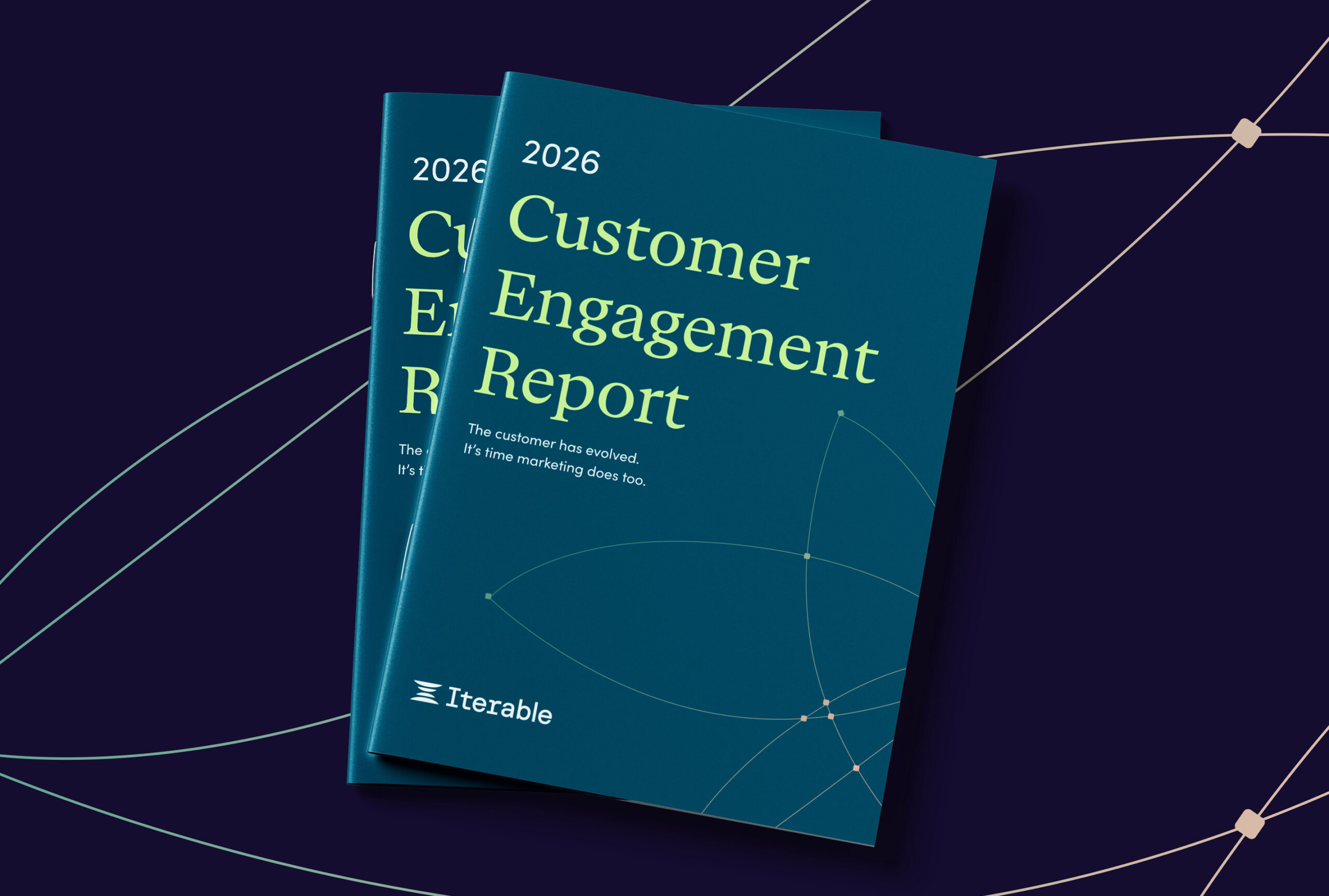
2026 Customer Engagement Report
The customer has evolved. It’s time marketing does too.
Today’s consumer isn’t the same as they were three years ago. They don’t just engage with marketing. They dissect it, exploit its patterns, and discard whatever doesn’t serve them. This is the apex consumer.
On the other hand, marketing appears more advanced than ever, but it’s operating on a model built for a slower, more predictable game—one consumers have already moved past.
This report explores how consumer behavior has fundamentally changed and what it takes for marketing to catch up.
In This Story
Act 2. The Myth of Modern Marketing
Act 3. Marketing’s Mandate: Adapt or Fall Behind
Have a Question?
At Iterable we’re committed to supporting you every step of the way.
Act 1. The Rise of the Apex Consumer
Most consumers today have grown up inside digital systems, and it shows. They’ve spent years interacting with e-commerce, loyalty programs, subscriptions, and personalized messaging. Over time, they haven’t just adapted to these systems—they’ve learned how they work.
These consumers aren’t entering the funnel expecting to stay. They enter with the exit already planned.
Here’s what the data shows consumers are doing to win:
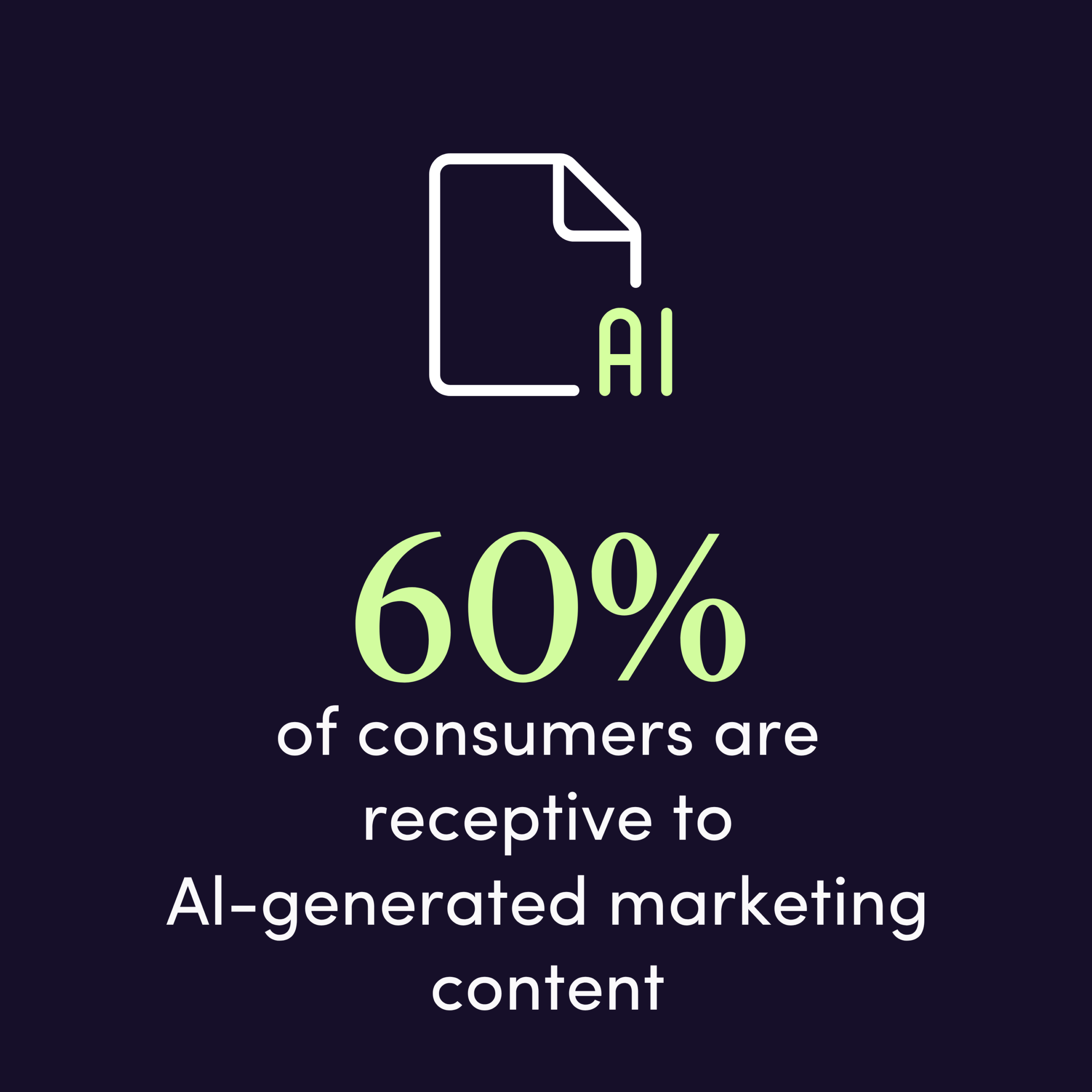
Strategy 1: Learning the System
Consumers don’t need to understand marketing automation to know they’re inside a system. They recognize that AI and algorithms shape what they see, when they see it, and what offers appear. Rather than resisting that reality, most have started working within it.
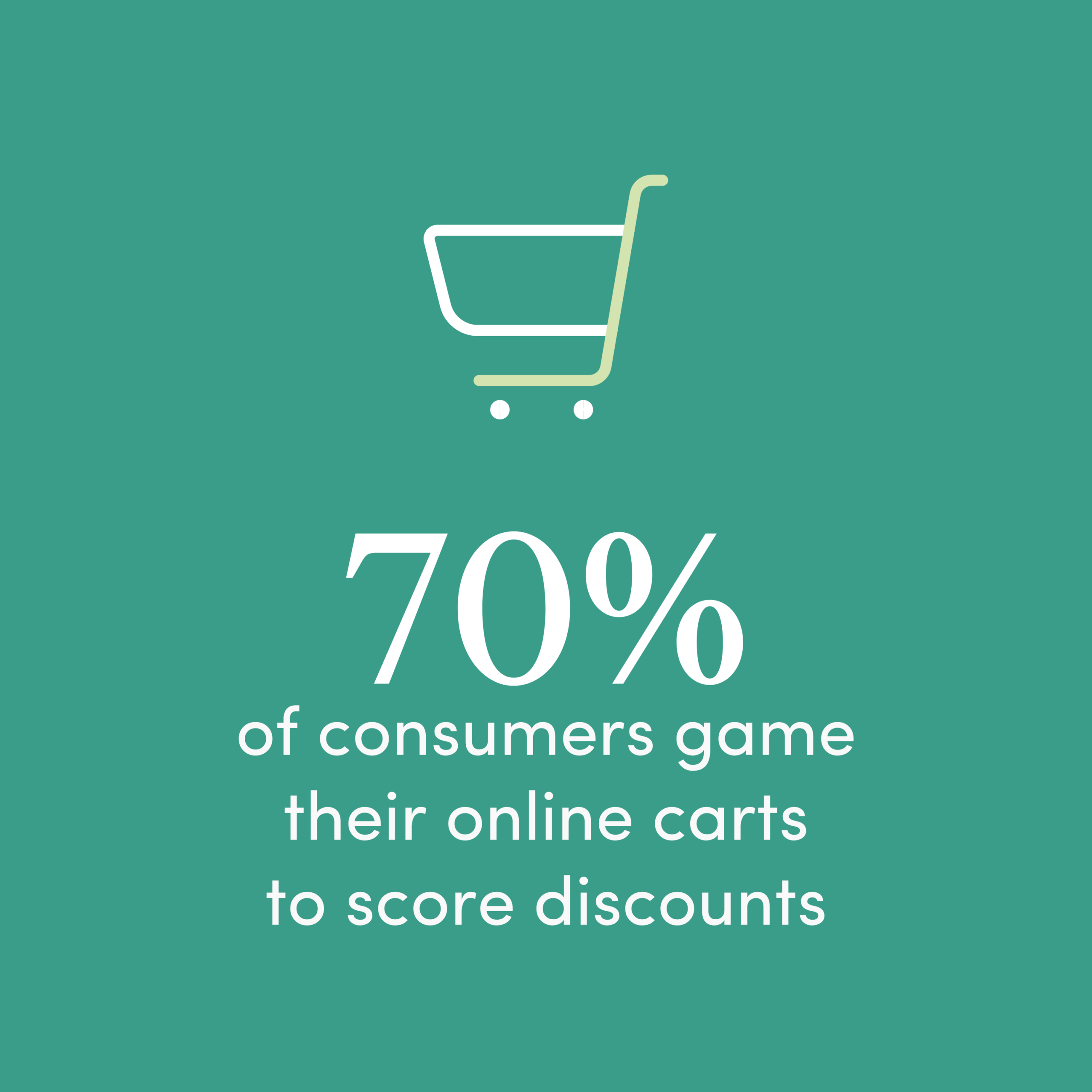
Strategy 2: Optimizing for Value
Consumers understand what actions trigger better outcomes and use them intentionally. Whether it’s abandoning carts or stacking discounts, engagement is often designed to extract maximum value rather than signal true intent.
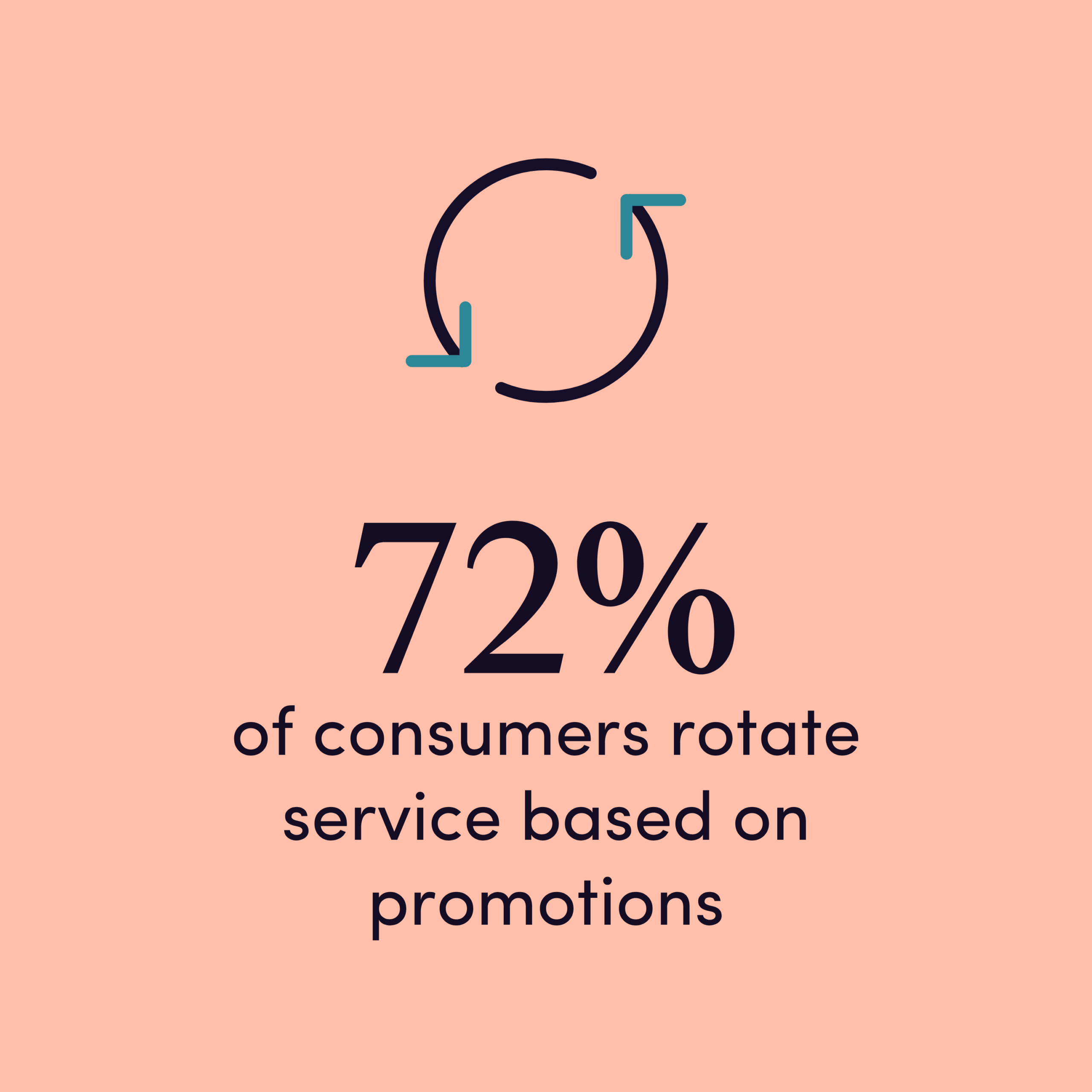
Strategy 3: Controlling Timing & Channel
Consumers are not passively influenced—they are actively choosing when and how to engage. They delay purchases, switch channels, and interact on their own terms, responding to incentives only when it aligns with their timing and goals.
Strategy 4: Minimizing Friction and Risk
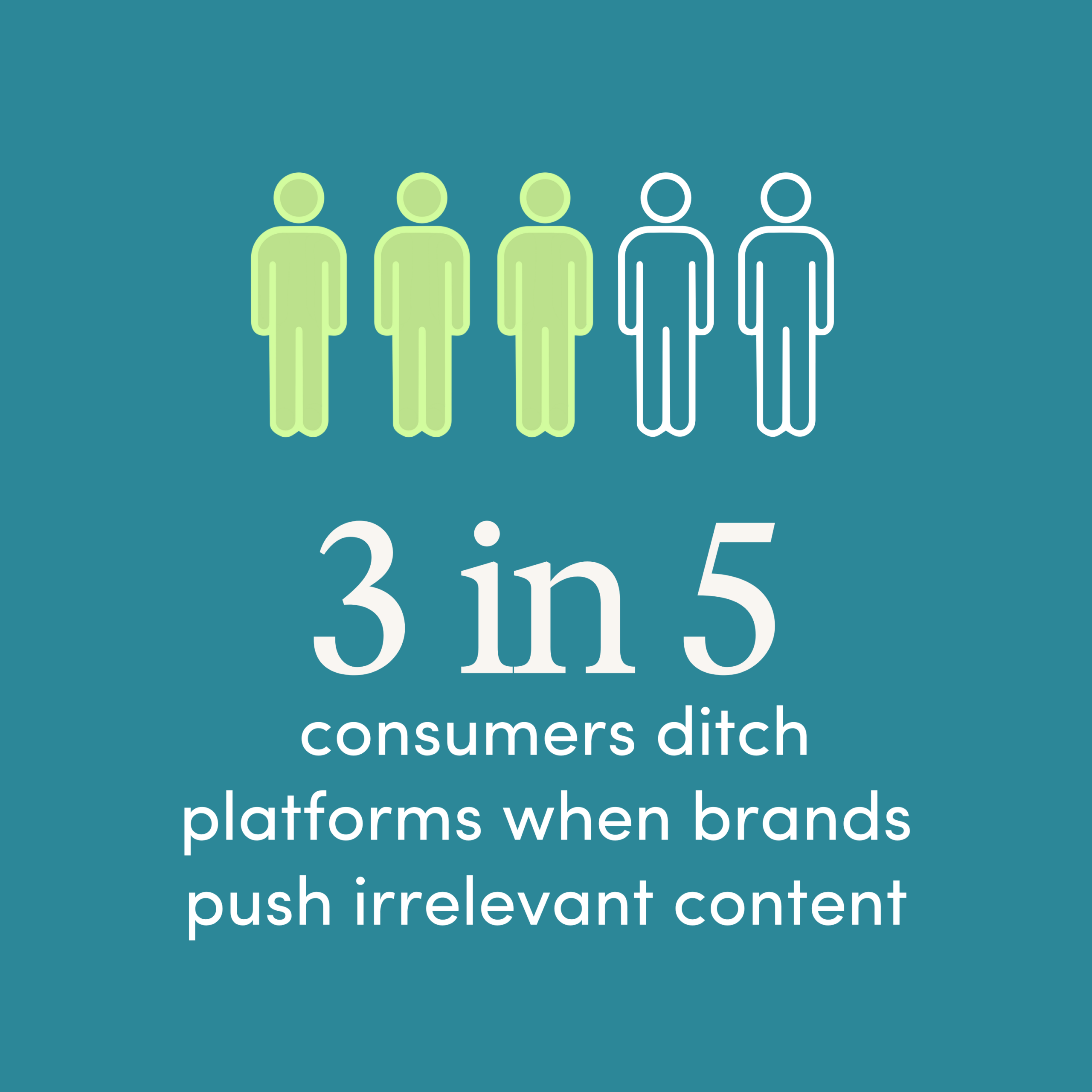
Consumers prioritize flexibility and low-risk engagement. They avoid commitment, protect their attention, and exit quickly when experiences degrade. Trust isn’t built through personalization alone. But when brands make customer feel in control? The loyalty is real, and it lasts.
Marketers Will Learn How To:
- Overcome operational drag and scale without added complexity
- Automate personalization without sacrificing quality or brand
- Reduce decision latency and act faster on what they learn
- Enforce trust, control, and clear guardrails for AI
- Build marketing that learns, adapts, and improves continuously