
As marketing programs grow, so does the need for a clear record of what was sent, when it was sent, and to whom.
Teams are expected to move quickly while also meeting privacy and compliance requirements and supporting customer inquiries. This is where Stored Messages play a critical role in a marketer’s day-to-day.
Stored Messages help teams retain exact copies of messages as they were sent, making it easier than ever to meet audit requirements, support customers, and reduce risk as your business scales.
What Are Stored Messages?
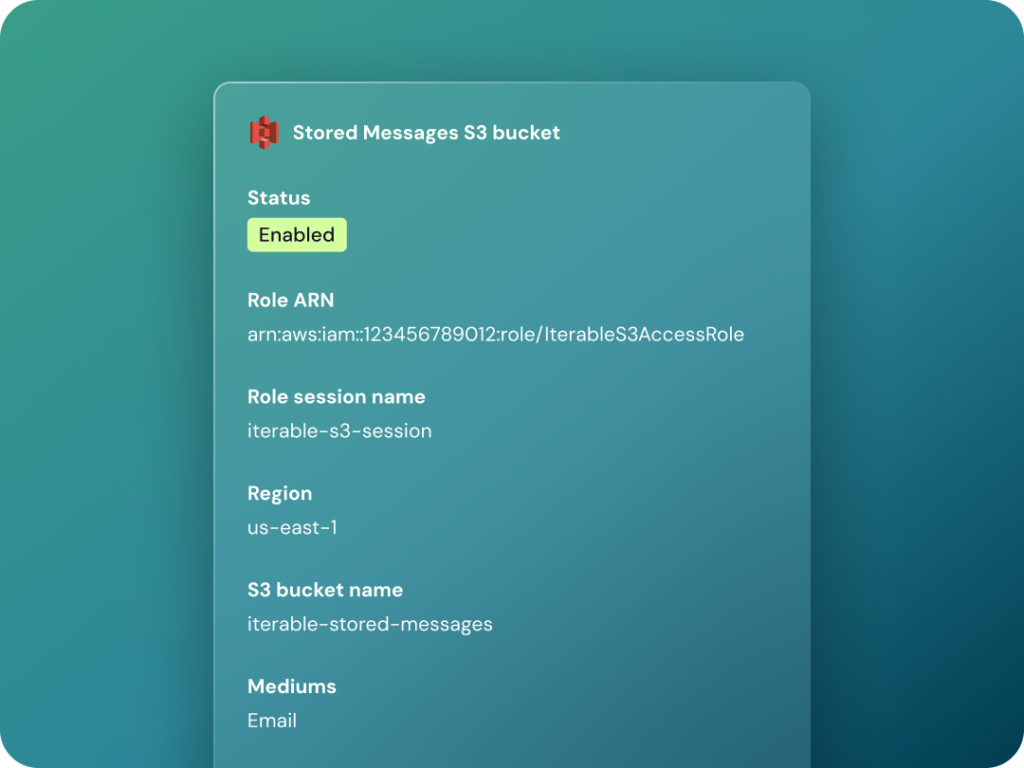
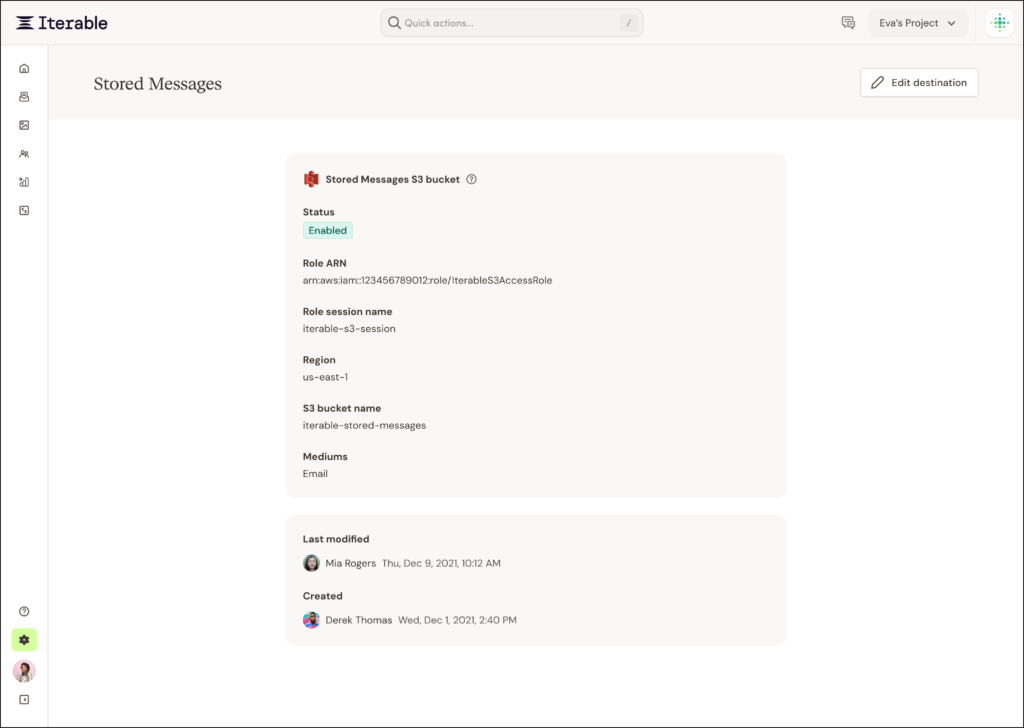
Stored Messages allow teams to access exact copies of messages that were delivered to customers. These messages are stored in your own data warehouse or cloud storage, giving you full control over retention and access.
Instead of relying on recreated templates or incomplete records, Stored Messages preserve the exact version of each message as it was sent, including personalization and recipient-specific content. This includes the final content customers actually received and ensures teams can always reference an accurate message history when needed. Whether for compliance, internal review, or customer support, the information is reliable and easy to access.
What Does Stored Messages Change for Marketers?
1. Meet Audit and Compliance Requirements
Regulated industries are required to retain communication records for audits, legal requests, or internal governance.
Stored Messages archive exact message copies in a secure and accessible format. Teams can quickly retrieve the information they need without relying on manual processes or incomplete logs. This helps organizations meet compliance requirements with confidence while reducing the effort required to respond to audits or investigations in a timely manner.
2. Reduce Risk and Improve Accountability
Without a clear history of what was sent, when, and to whom, organizations open themselves up to greater risk, especially during audits. This lack of clarity creates additional, unnecessary risks, especially in disputes, compliance reviews, or customer complaints.
Stored Messages eliminate this uncertainty by providing a clear, verifiable history of communication. Teams can confirm exactly what was sent and when, which helps protect the business and build internal accountability.
3. Support Customer Service and Internal Teams
Customer support teams often need to reference past communications to resolve issues or answer questions. Stored Messages make it easy to access the exact message a customer received, improving response accuracy and speed.
This also benefits other internal teams, such as legal, compliance, and marketing operations, who commonly need to review past campaigns or investigate specific customer cases.
4. Simplify Data Access to Your Storage
Stored Messages are saved directly to your data warehouse or cloud storage. This means your team owns and controls the data, rather than relying on separate systems or exports. This also ensures only the right teams have access to customer information.
With all messages stored in one centralized, secure place, teams can integrate message data into their broader workflows, reporting, or compliance processes without added complexity.
How Stored Messages Work in Practice
Stored Messages give teams direct access to communication history without relying on recreated records or disconnected systems. For example, if a customer questions a message they received, your team can:
- Retrieve the exact message that was sent
- Confirm the content, timing, and recipient details
- Respond quickly with accurate information
- Access records directly from your own storage environment
This creates a reliable source of truth for customer communications across compliance, support, and marketing workflows.
Frequently Asked Questions About Stored Messages
1. What does “exact copy retention” mean?
Exact copy retention means that the message is stored exactly as it was sent to the customer. This includes the final content after personalization, not just the original template.
2. Where are Stored Messages saved?
Stored Messages are saved in your own data warehouse or cloud storage. This gives your organization full ownership and control over message data.
3. How do Stored Messages help with audits?
Stored Messages provide a clear and accessible record of all sent communications. Teams can quickly retrieve exact message copies to respond to audits, legal requests, or compliance reviews.
4. Who benefits from using Stored Messages?
Stored Messages are useful for multiple teams, including marketing, customer support, legal, and compliance. Anyone who needs access to past communications can use them to get accurate information quickly.
5. Are Stored Messages available to all plans?
Stored Messages is available to existing customers as an add-on. Please reach out to your account representative to learn more.
Communication History You Can Trust
Marketing teams are under pressure to move faster while managing increasing complexity and risk. As communication volume grows, so does the importance of accurate recordkeeping.
Stored Messages provide a simple and reliable way to retain exact message history. This helps teams:
- Stay compliant with retention requirements
- Reduce operational and legal risk
- Support customers with accurate information
- Maintain confidence in their communication data
By ensuring that every message is preserved as sent, teams can scale communication without losing visibility or control.
See What’s New in Action
This release brings greater confidence and accountability to customer communication, so teams can reduce risk, support compliance requirements, and scale messaging with a reliable source of truth.
| Tune into our Spring Launch webinar or learn more about how Stored Messages work here. |