


































A Look at FinTech Marketing Today
How modern FinTech brands turn transactions into trust that scales
This guide breaks down the activation gap between user intent and earned trust, showing how leading FinTech brands close it with secure, real-time, agentic engagement. Learn how top FinTech teams:
- Improve onboarding and KYC completion
- Increase active users and reduce churn
- Drive first transactions and conversions
- Scale monetization (all with leaner resources)
A Look at FinTech Marketing Today
How modern FinTech brands turn transactions into trust that scales
This guide breaks down the activation gap between user intent and earned trust, showing how leading FinTech brands close it with secure, real-time, agentic engagement. Learn how top FinTech teams:
- Improve onboarding and KYC completion
- Increase active users and reduce churn
- Drive first transactions and conversions
- Scale monetization (all with leaner resources)
The FinTech Landscape At a Glance
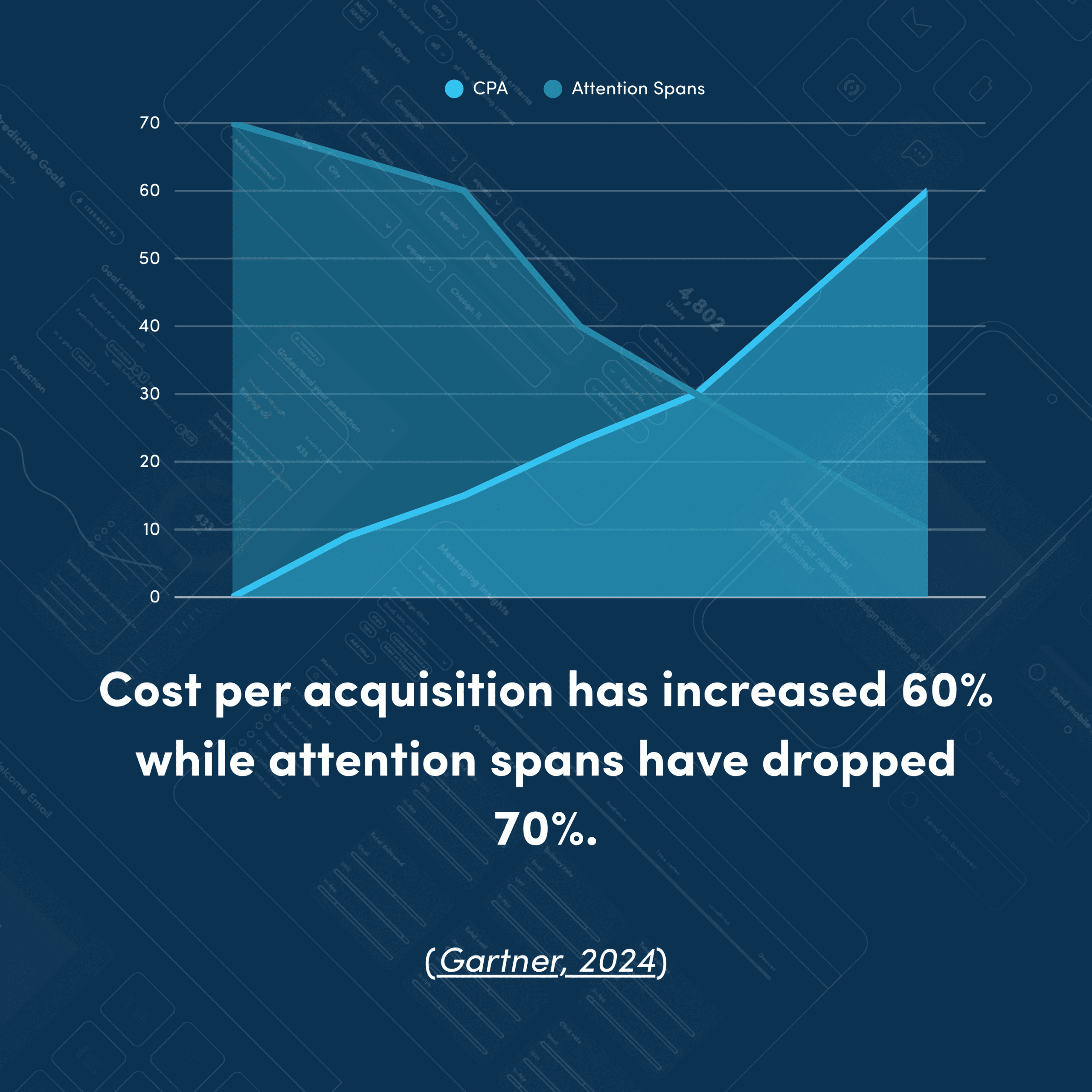
For years, FinTech has been rewriting how people save, spend, invest, and manage their financial lives. As expectations climb and attention spans decline, customers now demand experiences that feel secure, seamless, and personal from the very first touch. It’s not just about delivering a product or service, but about making customers feel safe enough to follow through high-friction moments like account verification and onboarding.
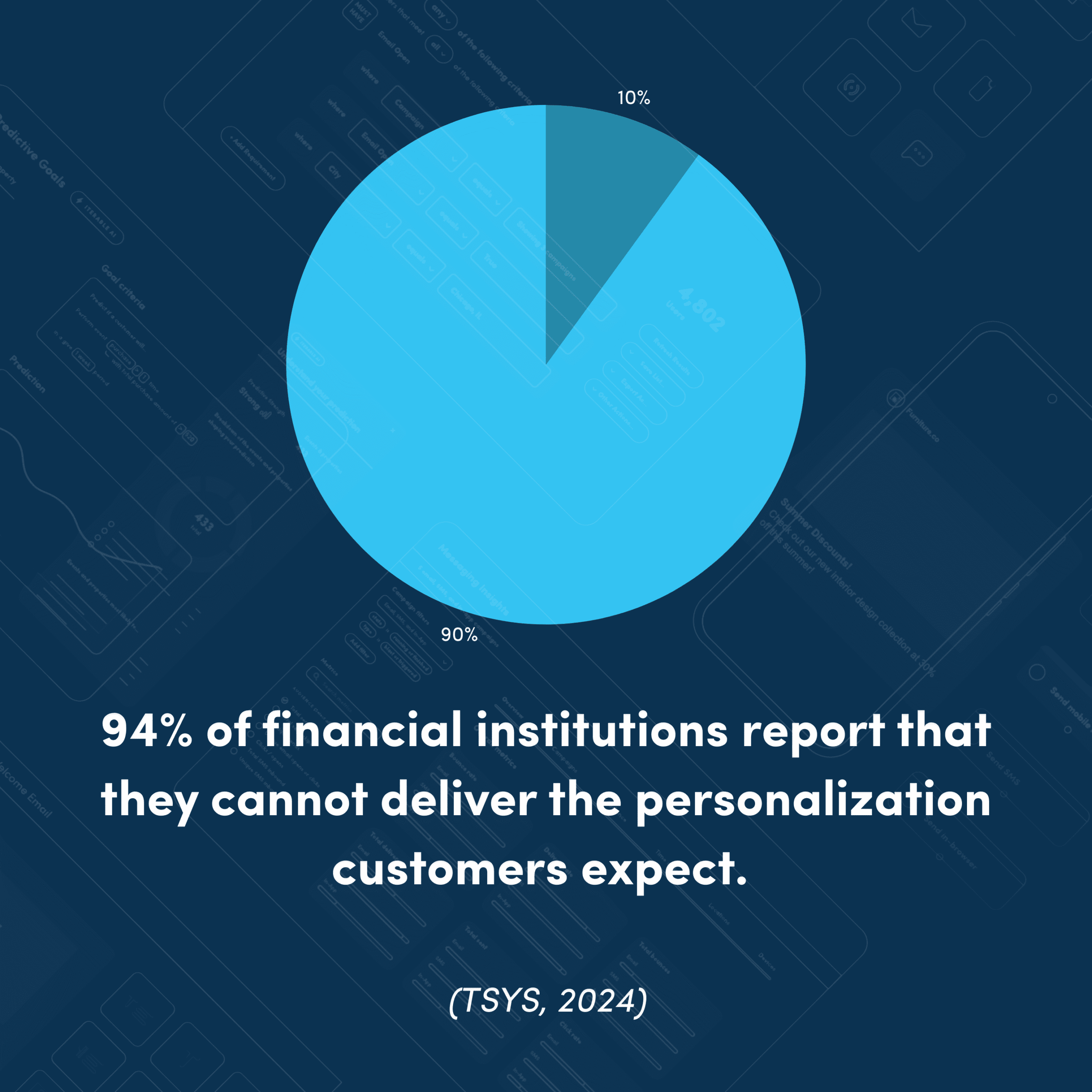
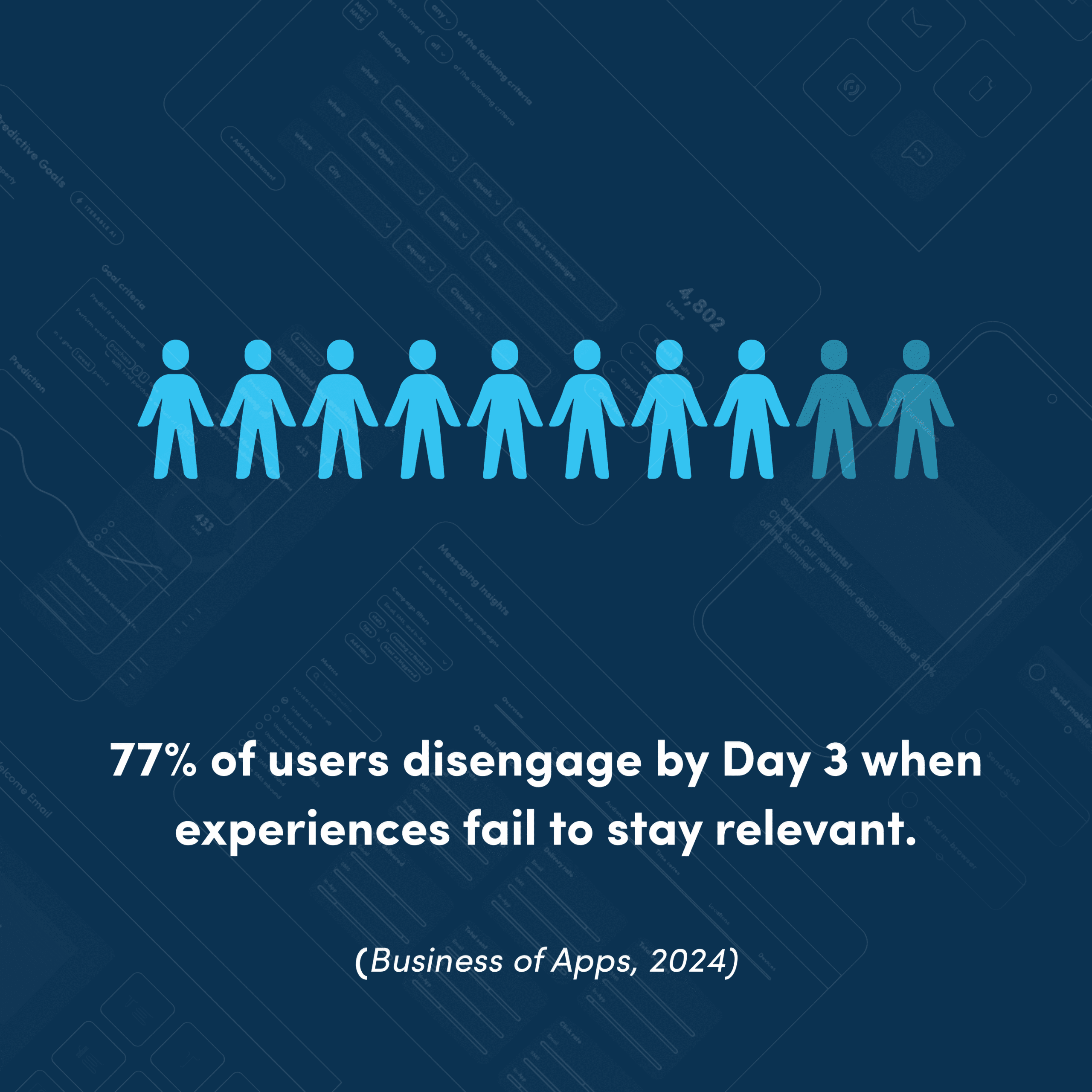
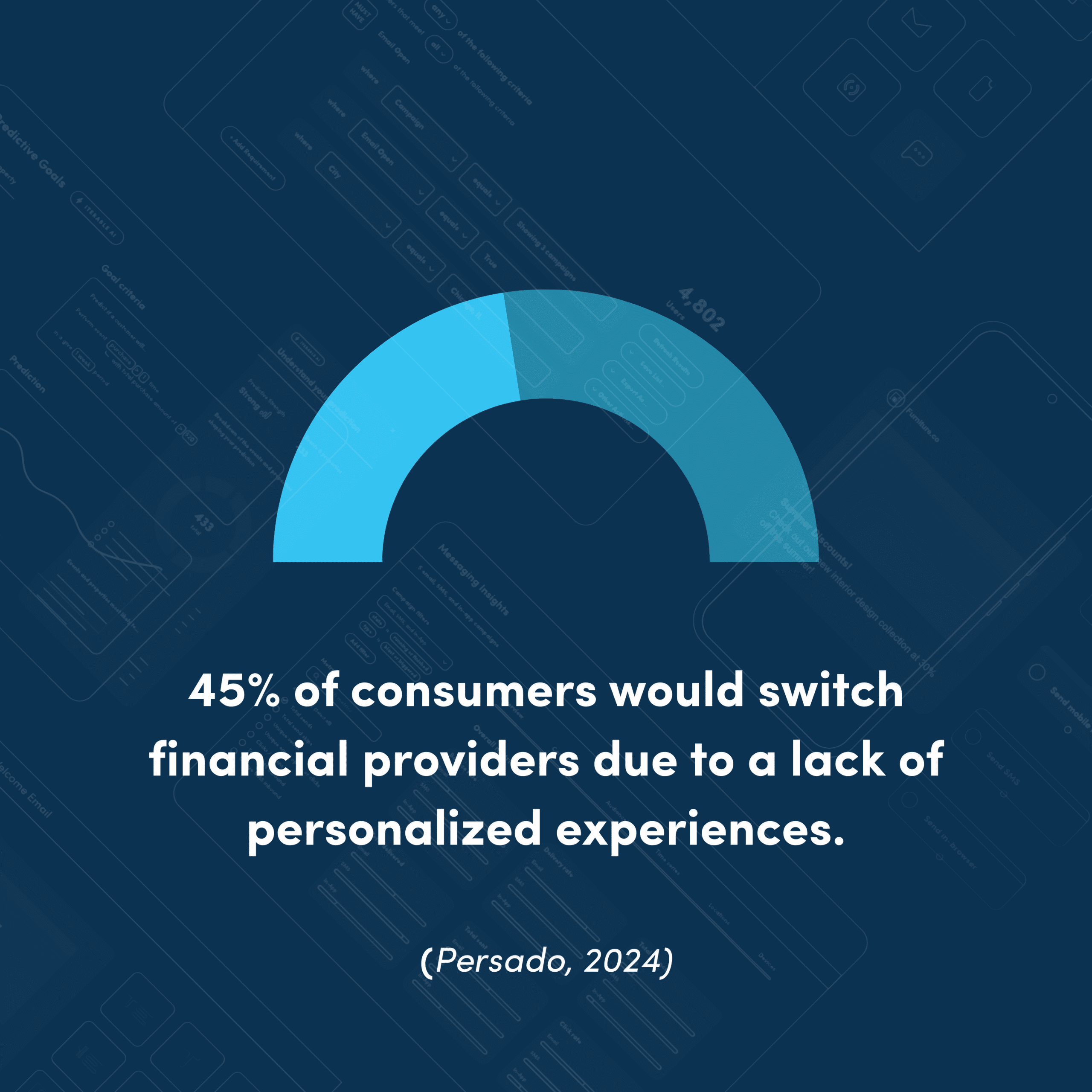
These moments are where the industry’s most pressing challenges come into focus:
What FinTech Marketers Will Learn
 How to increase active users
 How to increase active users
 How to drive subscriptions and conversions
 How to drive subscriptions and conversions
 How to scale monetization and loyalty
 How to scale monetization and loyalty
 How to maximize resource productivity
 How to maximize resource productivity
Make moments-based marketing a reality.
Learn how to create real-time, cross-channel engagement that makes every customer feel like they're your only customer.
How Fintech Brands Drive Retention and Earn Trust
Brand success is driven by user trust, and no industry knows that more inherently than the world of finance. When it comes to protecting their customers, financial services and financial technology (fintech)...
How to Activate Customer Data in Retail, Fintech, B2B, and Media
Marketers aren’t suffering from a data shortage, they’re drowning in it. Yet nearly 70% of customer data goes unused, gathering digital dust while campaigns get launched with the same assumptions, lists, and...