
From TikToks to Crocs, Gen Z has become an easily identifiable generation. With a multitude of generation-specific characteristics, it’s easy to spot a “Zoomer” a mile away. Gen Z isn’t the only generation with recognizable preferences, however—especially when it comes to SMS preferences.
Each generation uses SMS differently, and has different expectations when interacting with brands. It’s important for marketers to understand these differences to be able to better tailor their customer experiences to each individual user—no matter which generation they belong to.
In this fourth installation of the SMS marketing series, we’re going to explore each generation and how they prefer brands to use SMS marketing.
A Quick Generational Overview
Before we get into SMS, specifically, let’s take a quick look at each generation to re-familiarize ourselves with some overarching trends and themes.
Baby Boomers
We’ve referred to Baby Boomers (born 1946-1964) as the “customer service generation.” Baby Boomers are all about loyalty. They have their favorite brands and they stand by them. If they are going to switch brands, they need all of the information up front, to be able to make an informed decision.
Gen X
In contrast to Baby Boomers, Gen X (born 1965-1980), is all about the best deal. Because Gen X is focused on saving, they’re always on the hunt for a discount. Like Wordstream says “Gen Xers are saving up for college, home ownership, starting a business, and retirement—which leads me to…COUPONS.“ This doesn’t just mean physical coupons, either.
Millennials
Ah, millennials—the most anxious generation. Born 1981-1996, Millennials are known as the “review generation” and rely heavily on peer-to-peer marketing. They highly value the reviews left by like-minded shoppers, friends, and families and trust online reviews as much as personal recommendations. As Wordstream says “A great way to market to this generation indirectly is to make sure your online reviews and customer experiences are up to par!”
Gen Z
Last, but not least, is Gen Z (born 1997- 2012). Gen Z is looking for brands that tell it like it is. They are swayed by brands that live their values and support the greater good while doing so. According to Marketing Dive, “Gen Zers prefer brands that are authentic, with 82% saying they trust a company more if it uses images of real customers in its advertising, while 72% said they’re more likely to buy from a company that contributes to social causes.“
Now that we’ve reviewed these broader generation trends, let’s take a closer look at each generation’s SMS preferences.
SMS Preferences of Each Generation
With a better understanding of some overarching generational trends, we can start to dig a little deeper to focus on just SMS marketing. There’s no question as to whether or not you should add SMS to your marketing mix—we’ve already established SMS as a highly valuable marketing channel. But how each generation prefers to receive SMS marketing messages can vastly impact your overall strategy.
Keep It Simple for Baby Boomers
Baby Boomers want all of the information they can get before they make a purchase. They need to be equipped with knowledge before they can click “buy.” So, when sending SMS marketing messages to Boomers, consider a more helpful, informative approach.
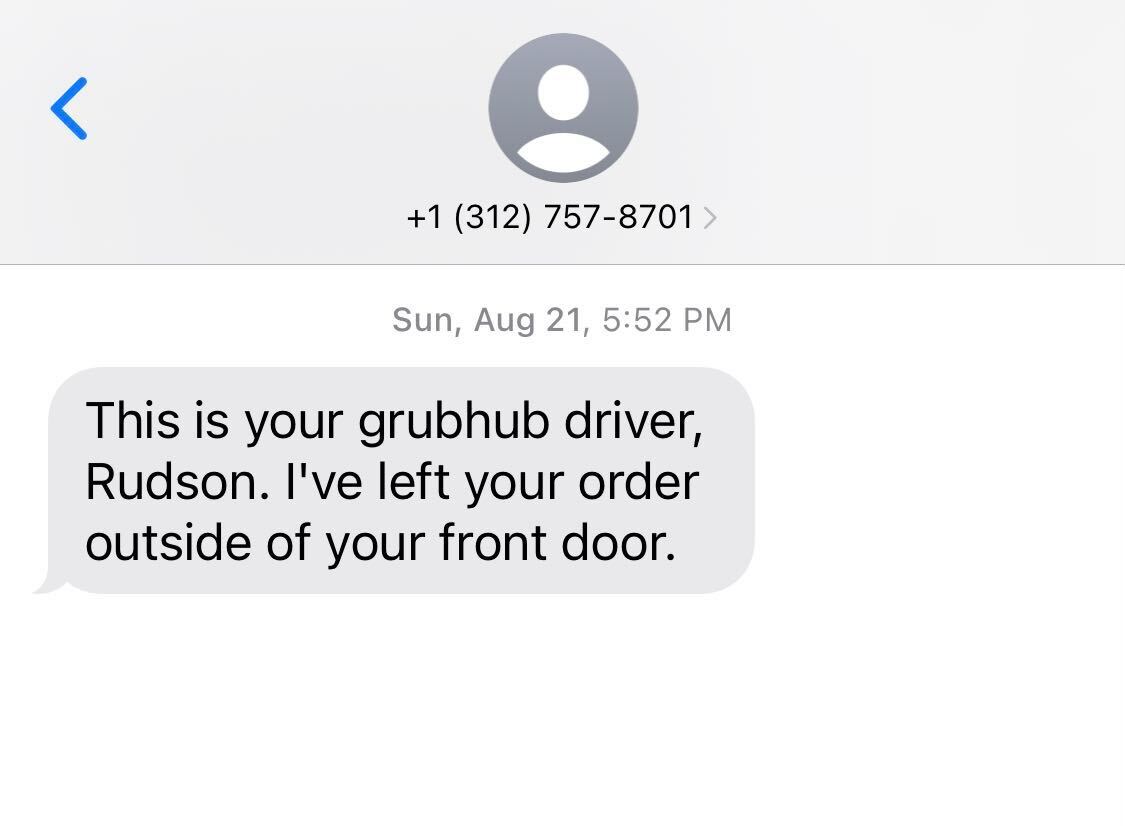
For example, maybe instead of sending promotional offers with links that open apps or new windows, use SMS for transactional messages. If a Boomer places an order with your brand, maybe you send a purchase confirmation via SMS. Keep the content of the message purely informational and simple, but provide the key purchase updates they may be looking for.
Send Coupon Codes to Gen X
Gen X is always looking for a deal. While email marketing may still be a favorite for Gen X, SMS can be a highly effective channel as well. For one, coupon codes can be easily distributed via text. We’re seeing an uptick in coupon codes being rewarded for opting-in to SMS marketing messages—a perfect way to connect with a Gen X audience.
With mobile marketing, there’s also the ability to use location-based messaging to make the offers even more appealing. So if a Gen X customer is physically near your brand’s brick-and-mortar location, you could send a text with a coupon, enticing them to make a purchase in the moment.
Start Conversations With Millennials
The digital divide lies between Gen X and Millennials. Millennials grew up with SMS—it’s nothing new for them. They’ll talk to their friends and family via text, but will also communicate with your brand via text. In fact, according to OpenMarket, “83% of millennials would rather text message your business than call a customer service helpline.”
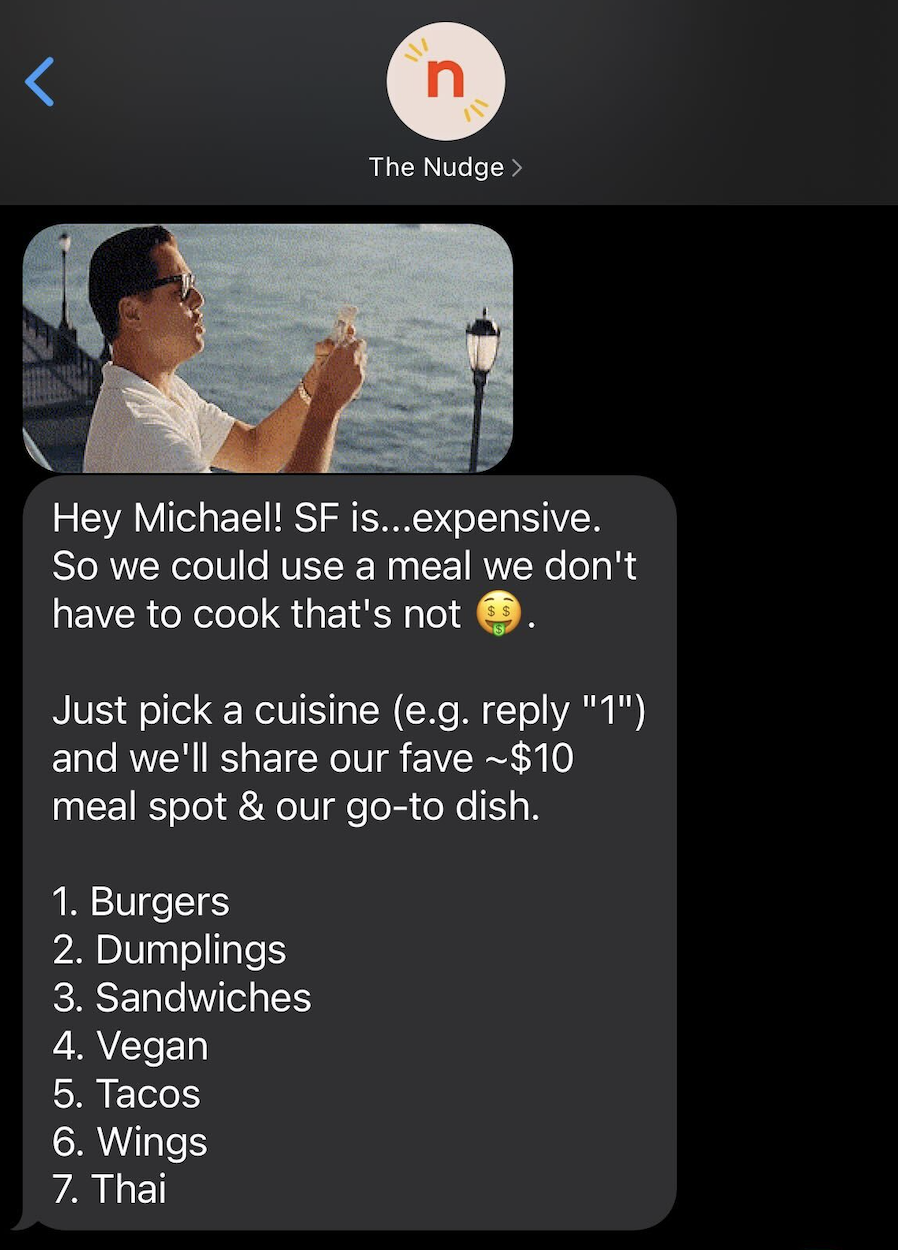
When trying to connect with your millennial audience through SMS marketing, try starting a conversation. Because SMS allows for direct, one-to-one communication, you have the opportunity to engage millennials while also gaining valuable customer data. By using SMS keywords or easy-to-answer prompts, Millennials can tell you exactly what content they’re looking for from your SMS marketing messages.
Give SMS Realness to Gen Z
Gen Z was born and bred in the digital age. “We’ve been saying mobile-first for years, but when it comes to Gen Z, it’s mobile-only.” When sending marketing text messages to Gen Z, they have to cut through the noise of standard promotional messaging—which may work for Gen X, but Gen Z won’t take kindly to it. Gen Z is looking for immediate gratification and content that serves a purpose.
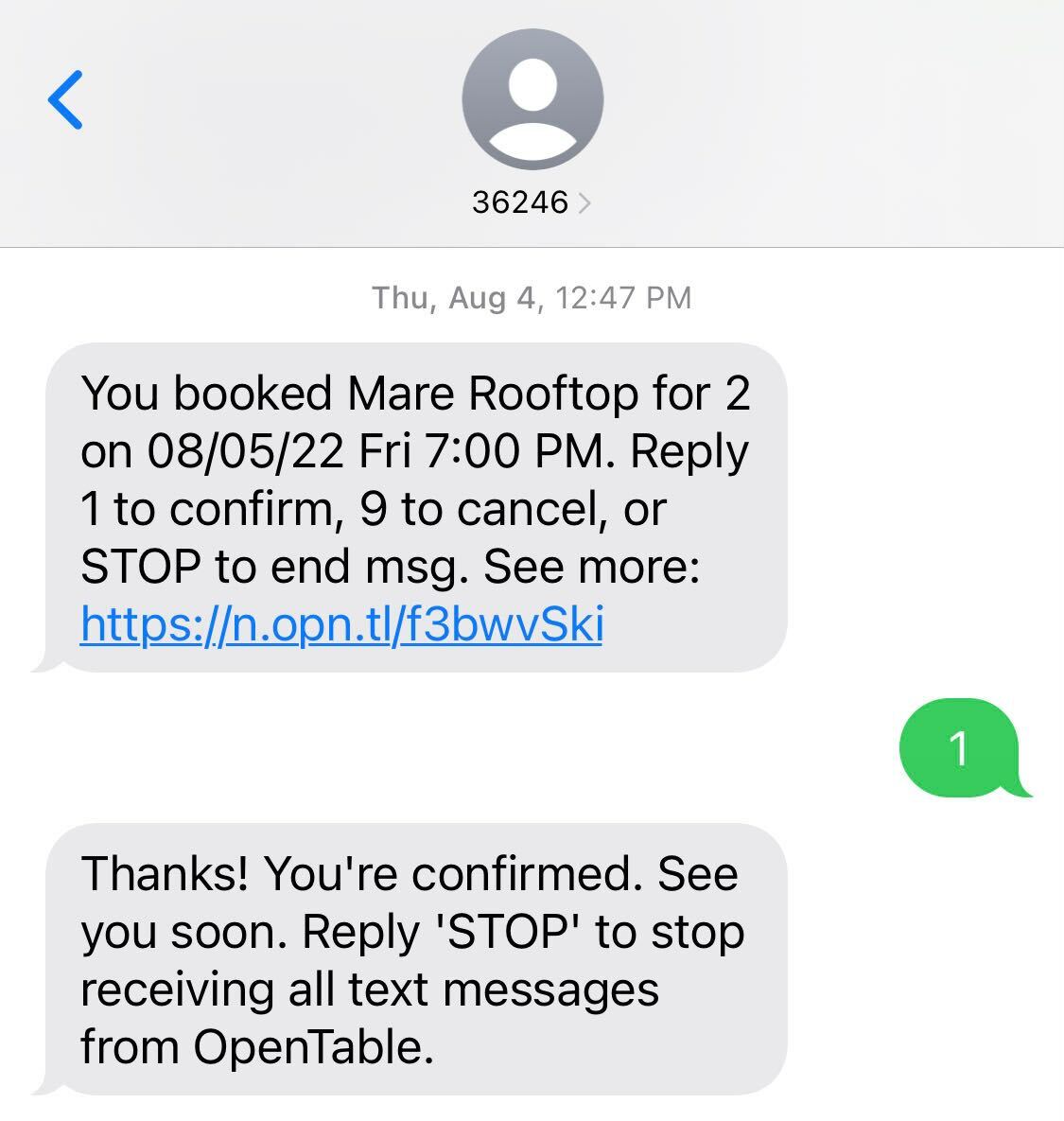
Think about adding a function to your SMS messages. Instead of just informing, offering coupons, or collecting data, messages to Gen Z should solve a problem. Think about reservation confirmations. We’ve all received those texts asking us to “reply with 1 to confirm.” That’s the perfect example of a quick, efficient way to confirm a reservation. After all, a Gen Z consumer isn’t going to answer the phone if your restaurant calls to confirm.
Generations Only Segment So Much
Generational trends and tendencies are helpful when building your SMS strategy, but only as a first layer of individualization. These broad trends can help you get started, but the trends will not always apply to every audience member. If you paint with a broad brush and assume each individual wants to be treated the same way, you risk damaging your authenticity as a brand.
These generational SMS preferences are a great starting point when testing what messaging resonates with each customer. Then, by using SMS as part of a larger cross-channel marketing strategy, you’ll gain additional insights from other touchpoints in the customer journey, allowing you to customize your entire experience for each individual. SMS is a crucial piece of the puzzle.
To learn more about how to incorporate SMS preferences into your cross-channel marketing strategy, schedule an Iterable demo today.
Already an Iterable customer? Our Strategic Services team provides bespoke SMS recommendations, ensuring SMS fits into your cross-channel marketing strategy. Reach out to your CSM to learn more.