
Unless you’re living under a rock—which, at this point, would be painted pink and have a movie poster slapped across it—you probably know Barbie Movie is coming out this week. In the past month or so it seems that no matter which way you look, your eyes are bound to land on a Barbie Movie marketing campaign of some sort.
Everyone is a Barbie girl in this inarguably Barbie world. Influencers are in on it, brand partnerships keep cropping up, and everything’s being painted Barbie pink. (Did you know the set of Barbie Movie used so much pink paint they ran through a global supplier’s entire inventory?) You can even rent Barbie’s Dreamhouse on Airbnb.
Before we get started, we should probably point out that this article is not a paid sponsorship.
With all of the hype around this movie, we got to thinking—is movie marketing (to this extent) common? Why is this even happening in the first place? Is life in plastic really fantastic? There’s a lot to unpack.
Film Financing and Marketing 101
Production companies spend a lot of money to make a movie. From the actual production of the movie, to paying distributors and theaters, their cost cup runneth over. One way to ensure some money is made on a movie is to get people to see it. According to Investopedia, “a studio might make about 60% of a film’s ticket sales in the United States, and around 20% to 40% of that on overseas ticket sales.”
If a production company can get people to see their movie they have the chance to make a good chunk of change, and film marketing is how production companies spread the word. It’s another cost, certainly, but a wildly important one. In fact, according to Slash Gear, “There are generally two parts of financing a film: Making the movie itself and marketing it.”
What Makes Barbie Movie Marketing Different?
Marketing aims to get people to buy—a tale as old as time. And film marketing has been known to go above and beyond in the past. As the Hollywood Reporter says, “Don’t be surprised if studios set aside $150 million or more on global marketing spend for the biggest titles.” But there’s something different, new, and, dare we say, extra, about the Barbie Movie marketing strategy.
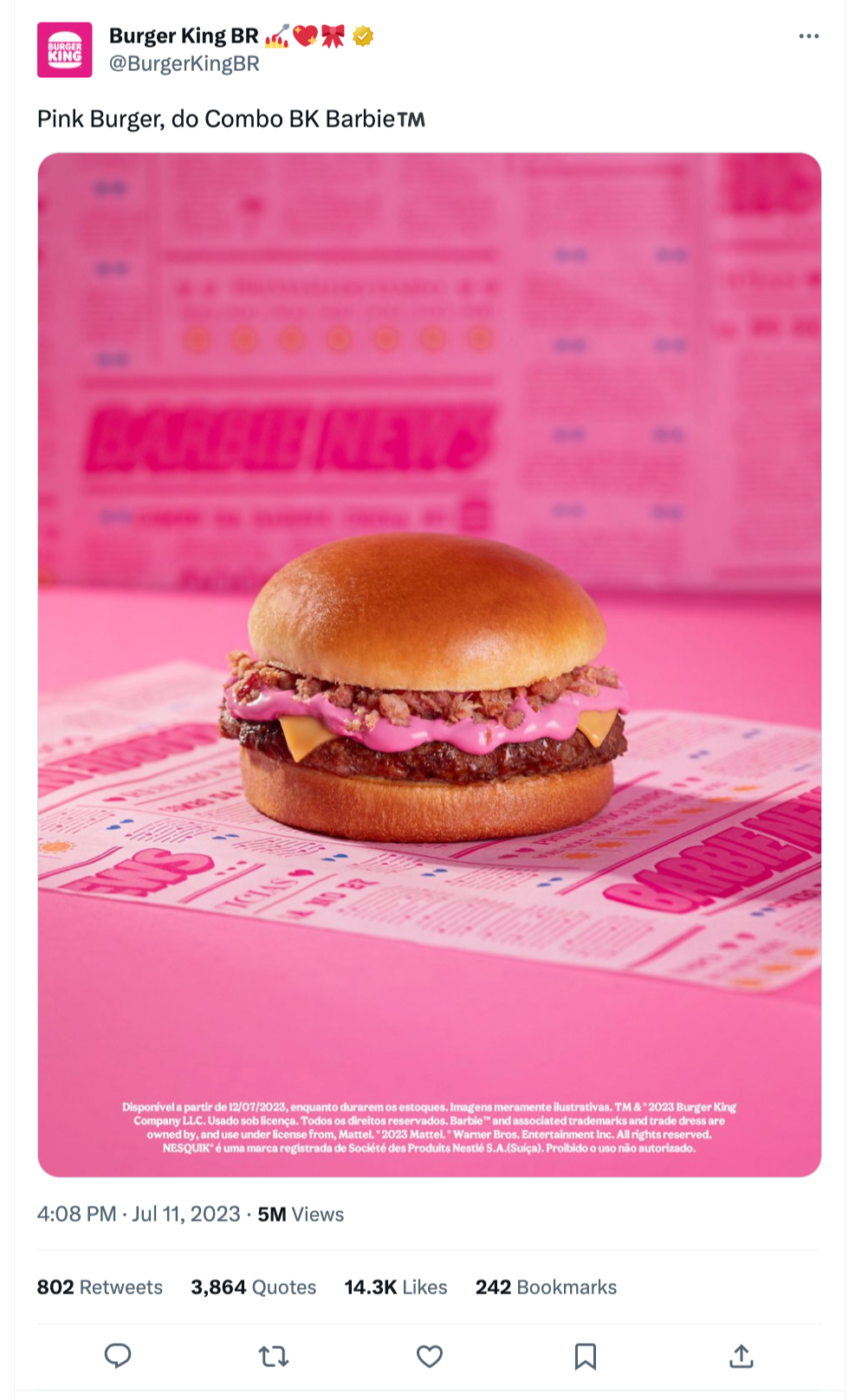
When we say it’s everywhere, we mean everywhere. From Ruggable to Burger King, Barbie Movie has made its way into a wide swath of industries and products. Time Magazine published a full article about all of the partnerships and collaborations and it’s…eye opening.
According to the article, “The Copyright Office in the Library of Congress has registered more than 2,000 Barbie-related works including dolls, games, and songs for the movie, according to public records.” We even spotted a few familiar faces on this long list—MeUndies and Joybird both feature Barbie-themed products on their websites.
Barbie Movie marketing has fully infiltrated our lives—so why aren’t we seeing similar marketing for other blockbusters?
Why it Works for Barbie Movie and Not Others
We haven’t really seen this level of widespread inundation via film marketing from other blockbuster movies, so there’s something special about what Barbie and Mattel—Barbie’s parent company—are doing.
In a recent BBC article, Ali Plumb, BBC Radio 1’s Film Critic, brought up the point that there are other movies coming out around the same time but we’re not seeing the same marketing strategy being applied. Ali specifically mentions Oppenheimer, which comes out the same day as the Barbie Movie. Because of the stark juxtaposition—one is about an atomic bomb and one is about the world of Barbie—the simultaneous release has been dubbed “Barbenheimer.”
Ali points out how the topic of Oppenheimer doesn’t lend itself well to being marketed the same way as Barbie Movie. He says, “[Oppenheimer is] a movie about the man who helped create the Manhattan Project and the atomic bomb, so you can’t sell toys off the back of that, you can’t sell fishing rods and shirts and hats and whatever random stuff [Barbie Movie] might be selling – it’s just the movie.”
In the same BBC article, Moshe Isaacian, a senior brand consultant, said that Mattel has been great at being selective about which brands they partner with. He said, “It’s more like [they’re selling] Barbie’s lifestyle plan now, like this is how Barbie would dress up, talk, the things she would eat, what kind of candles she would have in her house.”
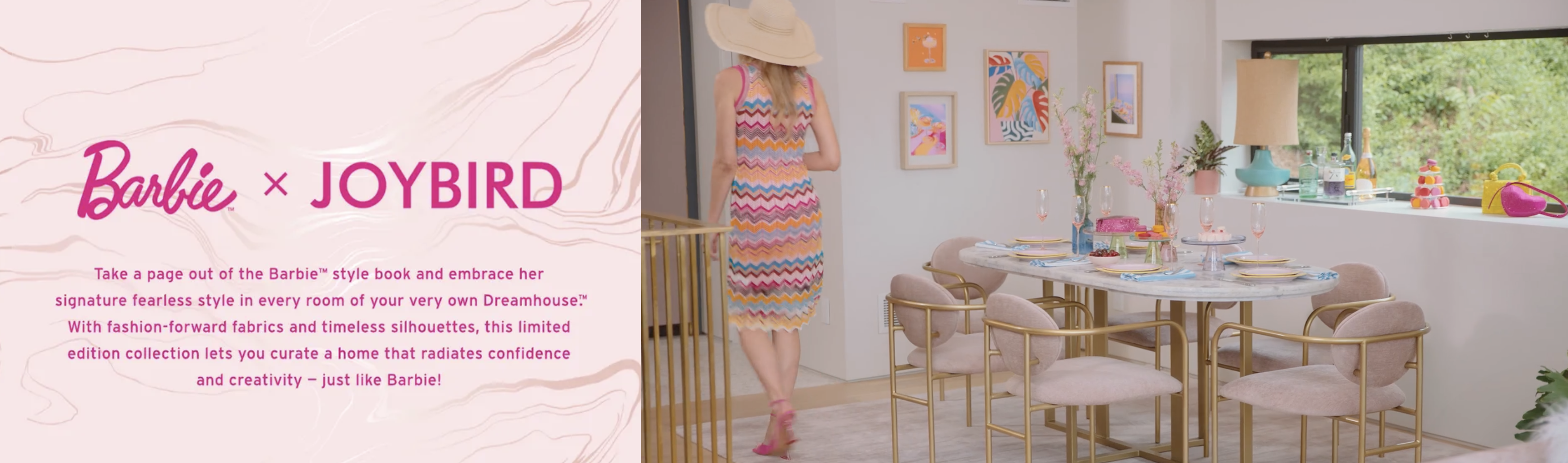
Now when you see Barbie Movie collaborations, you’ll be able to see it through the lens of achieving the Barbie Lifestyle. The way Mattel and Barbie have tackled this Barbie Movie marketing strategy is admirable and, while it’s definitely a lot, we, as marketers, can learn a little something from it.
What Barbie Movie Marketing Can Teach Us
There’s an excitement, an intense, sugary-sweet elation that comes with the Barbie branding. There’s energy in the colorful confections and fabulous furniture that Barbie Movie and their partners have created. After all, nothing screams joy like a bright pink vacation home.
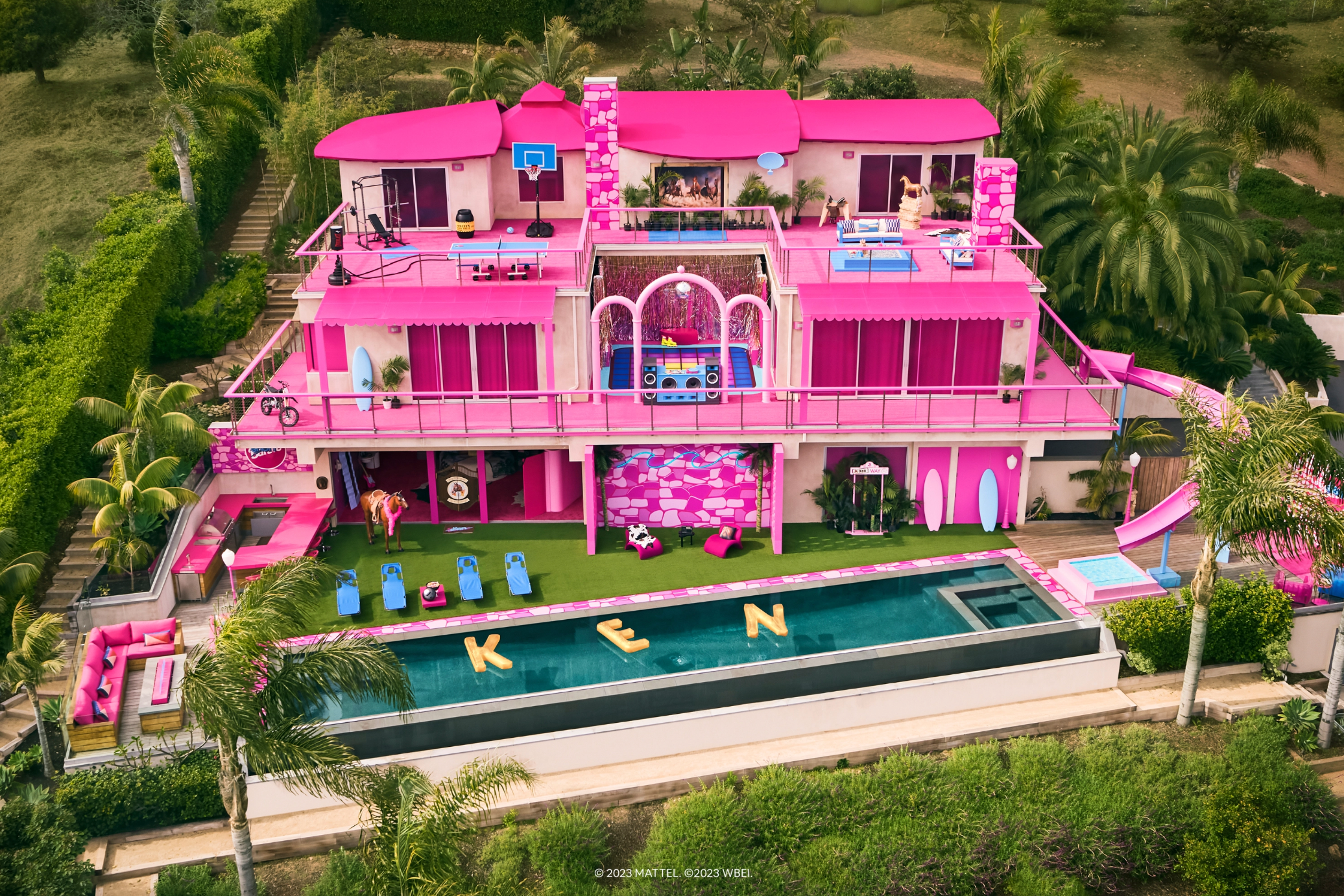
Mattel and Barbie have bottled and branded the nostalgia of childhood memories for adults with the eye-catching allure of modern-day toys for kids. These products and partnerships elicit feelings, they connect to customers.
Sure, the Barbie brand obviously lends itself well to these kinds of campaigns, but it can be carried into strategies for other brands too. When you’re crafting your next marketing campaign, think about how you can spark joy to deepen connections and build customer relationships.
To learn more about how Iterable helps create joy for our customers, schedule a demo today.