
Downloading a mobile app is like adding a tool to your tool belt. Once apps are downloaded, they can be easily accessed whenever you need them. However, just because the app is available, doesn’t mean the app will be used.
“Getting a new user to download the app isn’t the finish line—it’s the starting line.” While downloading the app is obviously a required initial step, app engagement is what determines your app’s success with users.
With ever-increasing app choices, (184 billion by 2024, to be exact) it’s vital to understand ways to improve app engagement and stickiness to avoid getting your app replaced on home screens.
Here are five of the best ways to keep users consistently engaged with your app.
The Steps for Better App Engagement
1. Reduce Friction in App Onboarding
Let’s start from the beginning. When developing your app, consider the user’s entire experience. What’s the first thing they’ll need to do when they open the app? Most likely, create an account. If there is a complicated onboarding process for users, there’s a higher chance they’ll abandon your app without a single use, diminishing app engagement.
Smashing Magazine uses OKCupid as an example. When trying to login to their app, the author, Suzanne Scacca, was unable to use the “log in with Facebook” feature after multiple attempts (14 clicks).
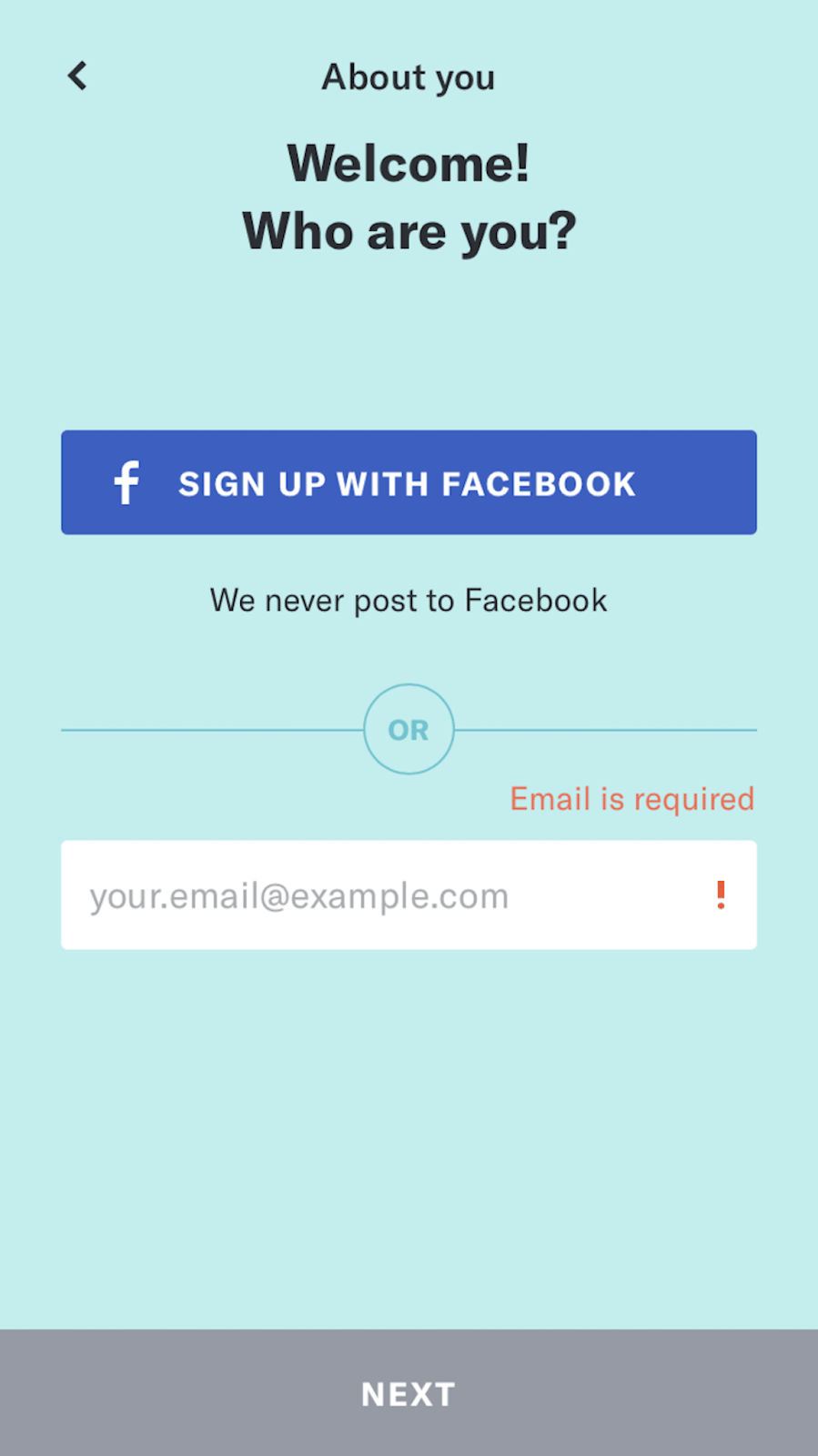
Retention is the path to increased app engagement. Getting users to download the app without optimizing the account creation experience cuts that retention short almost immediately. Brands should strive to retain users versus aiming to constantly get new ones. Simplifying onboarding is the first step in customer retention, but ensuring your app is useful to the user will increase retention as well.
2. Increase App Utility
Once the friction has been removed from the onboarding process, another ingredient for improving app engagement is simplifying the user’s life. Going back to the tool belt analogy, if there’s a tool that’s not helping to solve a problem or provide the user value, they’re going to remove it from their tool belt so it doesn’t weigh them down.
In an interview with Forbes regarding app use during the pandemic, AJ Wang, Head of Acquisitions and Performance Marketing for GCash, a fintech app, said marketers need to become “lifestyle enablers.”
An app should improve the customer’s life in some way. Whether it’s a stress-relieving game or making depositing checks a breeze, for consistent app engagement there needs to be a utility aspect to the app.
3. Optimize Push Notifications
Now that the user was able to easily sign up and your app is helping simplify their life, how do you continue to engage with the user to remind them of your app’s benefits? Enter: push notifications. Personalized push notifications with the right messaging at the right time can improve app engagement. In fact, push notifications have a click-through rate 7x that of email.
If your app is a tool for the user, push notifications should remind the user that they have that tool when they need it. One way to do this is by sending push notifications based on a user’s location.

With geo-targeting, the user gets a personalized experience and is more likely to engage with the app if the message is helpful to them at that moment.
As helpful as the notifications may be, the user experience, once customers are taken to your app, needs to be consistent to retain and engage users.
4. Create a Consistent In-App Experience
The user is logged in, finds your app useful and gets personalized push notifications. As the user navigates your app, however, it’s important to create a consistent experience within the app itself.
A consistent in-app experience means that as a customer uses your app, they shouldn’t be confused by the user interface and app functionality. In fact, as part of the onboarding experience, many apps include a quick training on how to use the app, to improve the customer’s experience and increase app engagement.
UsabilityGeek highlights the importance of mental models when thinking about an app’s user interface. They noted, “Developing an understanding of a user’s mental model, that is, what a user will need to use during certain situations, be it mobile or desktop, will ensure a positive user experience through consistency.”
In-app consistency is an integral part of the customer experience. But, when a customer leaves your app, how do you guide them back? Consistency should be applied to the entire customer journey, for a seamless experience.
5. Develop a Seamless Cross-Channel Experience
Once the in-app experience is consistent, brands need to look at their customer experience as a whole, including their app. In Liftoff’s 2020 Mobile Report, Skye Featherstone, Product Marketing Manager at Snapchat, said, “Apps are the connective fiber of your business, providing seamless, personalized experiences across both physical and digital contexts.”
Because apps have the ability to bridge the physical and the digital, like in our geo-targeting example, the experience for users needs to be seamless and undoubtedly on-brand.
Let’s say your customer is in your mobile app but later clicks a link to your mobile site. If the mobile site and mobile app look different, just from a basic branding perspective, it may create confusion for the user. You want the user to develop a familiarity with your brand and, through doing that, you’ll likely increase app engagement in addition to engagement on other channels.
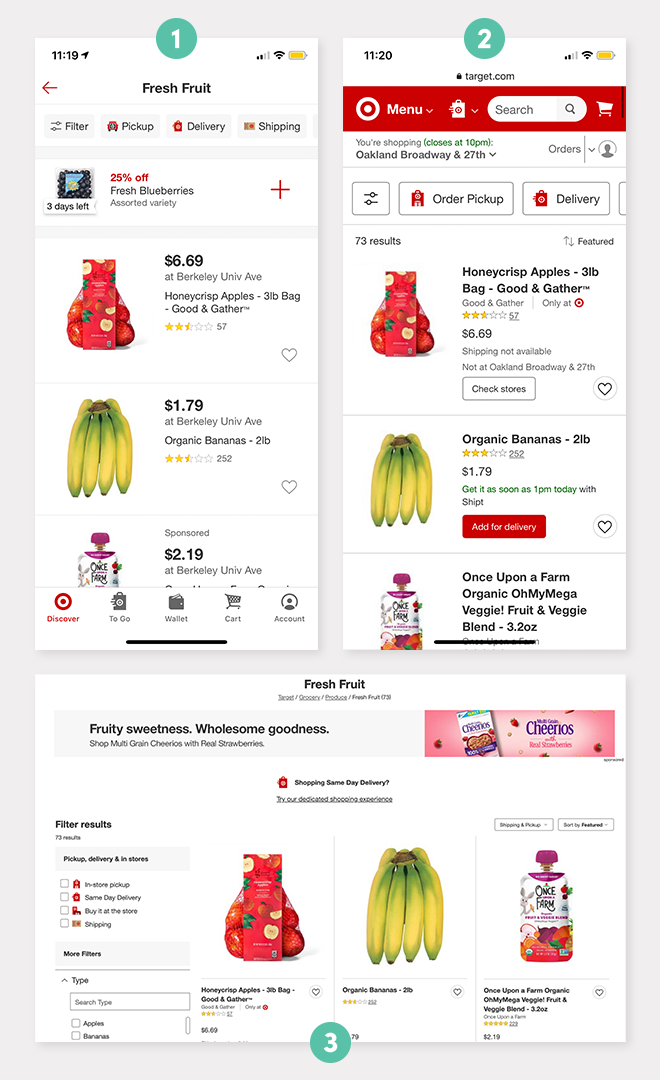
Another example of a seamless experience could be if a user is shopping on your desktop site and abandons their cart. You could send the customer a push notification with messaging about the products in their cart or products related to what’s in their cart. Then, when clicked, the notification could take them to their cart in your mobile app, which has the items they added via the desktop.
Building a seamless experience for the customer will ultimately improve app engagement because the app is a piece of the puzzle. The user can bounce back-and-forth between the physical locations, desktop and your app and feel as though it’s one singular, personalized experience.
Improve Engagement by Improving the Customer Experience
The key to improving app engagement is understanding the customer experience, both within your app and as a whole. From first download to becoming regularly used, the focus for your app needs to be on what the customer is experiencing and what value they can get from your app at each moment in the customer journey.
At the end of the day, we’ve all used an app. Even though we’re marketers, we’re people too, so think about your experience with your favorite apps and put yourself in the customers’ shoes. What makes you go back time and again to your favorite apps?
Looking to kick your mobile marketing up a notch? Learn more about Iterable’s mobile marketing solution.